
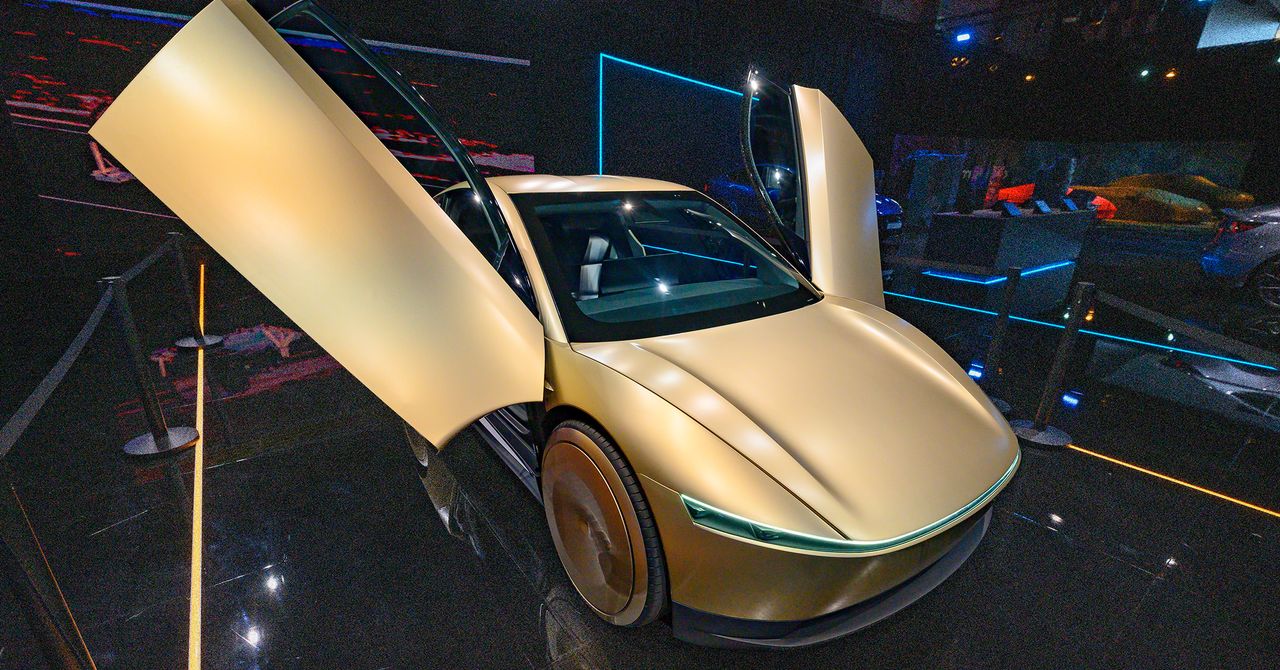
As Robotaxi Rides Begin, We Still Don’t Know the Mystery of Tesla’s Human Helpers Leave a comment
Self-driving automobile builders don’t often love speaking about “teleoperation”—when a human guides or drives robotic vehicles remotely. It will probably really feel like a unclean secret. Shouldn’t an autonomous automobile function, effectively, autonomously?
However consultants say teleoperations are, at the very least proper now, a essential a part of any robotic taxi service, together with Tesla’s Robotaxi. The tech, although spectacular, remains to be in improvement, and the autonomous techniques nonetheless want people to information them via less-common and particularly sticky street conditions. Plus, a bedrock precept of security engineering is that each system wants a backup—doubly so for brand new robotic ones that contain two-ton EVs driving themselves on public roads.
And but, simply days out from Tesla’s launch of its long-awaited (and far delayed) Robotaxi service in Austin, Texas, the general public nonetheless doesn’t know a lot in any respect about its teleoperations techniques. Tesla has posted a job related to teleoperations the place it states the position will probably be liable for creating the appliance “that our Distant Operators use to interface with our vehicles and robots”, an software the place these operators will probably be “transported into the machine’s world utilizing a state-of-the-art VR rig that enables them to remotely carry out advanced and complicated duties.”
Alarmingly, a number of authorities spokespeople—representing the town of Austin, the state of Texas, and the US’ prime street security regulator—didn’t reply to questions on Tesla’s teleoperations. Certainly, Austin and the Texas Division of Transportation referred all our questions on Tesla know-how to the corporate itself. Tesla, which disbanded its public relations group in 2020, didn’t reply to WIRED’s questions.
Final month, the Nationwide Freeway Site visitors Security Administration, the nation’s street security watchdog, wrote a letter to Tesla posing questions about, among other things, how or if Tesla deliberate to make use of teleoperations. How will its human employees be anticipated to watch, supervise, and even intervene when its techniques are on the street? The federal government requested the corporate to reply by June 19, which will probably be after the service supposedly launches on June 12, in accordance with reporting from Bloomberg earlier this month. NHTSA repeatedly wouldn’t reply to WIRED’s inquiries into what it is aware of about Tesla’s teleoperations.
The Los Angeles Occasions reported that people used teleoperations to govern the robotic Optimus throughout a “Cybercab” debut occasion in Los Angeles, and when Optimus confirmed off its new fingers a month later, catching a tennis ball in mid-air, an engineer for the corporate acknowledged that people equally used teleoperations. The corporate additionally has a allow to check autonomous autos in California with a driver behind the wheel. The state has a lot stricter guidelines than Texas, and requires some form of “communication hyperlink” between testing autos and distant operators, so it’s possible the corporate has some form of system.
Whereas not shedding any gentle on precisely how Tesla’s teleoperations will work within the metropolis, Austin Transportation and Public Works spokesperson Cristal Corrales wrote in an electronic mail: “The Metropolis works with AV [autonomous vehicle] firms earlier than and through deployment to acquire coaching for first responders, set up expectations for ongoing communication and share details about infrastructure and occasions.” Texas Division of Transportation spokesperson Laura Butterbrodt stated in an emailed assertion: “Texas legislation permits for AV testing and operations on Texas roadways so long as they meet the identical security and insurance coverage necessities as each different automobile on the street.”
