
The Zipper Is Getting Its First Major Upgrade in 100 Years Leave a comment
The enamel have been redesigned, the manufacturing course of rewritten, and new equipment developed to connect the closure to clothes. “The absence of the tape posed numerous manufacturing challenges,” Nishizaki says. “We needed to develop new manufacturing gear and a devoted stitching machine for integration.” The end result: a lighter, extra versatile system that reduces materials use and environmental impression in contrast with a normal Vislon zipper.
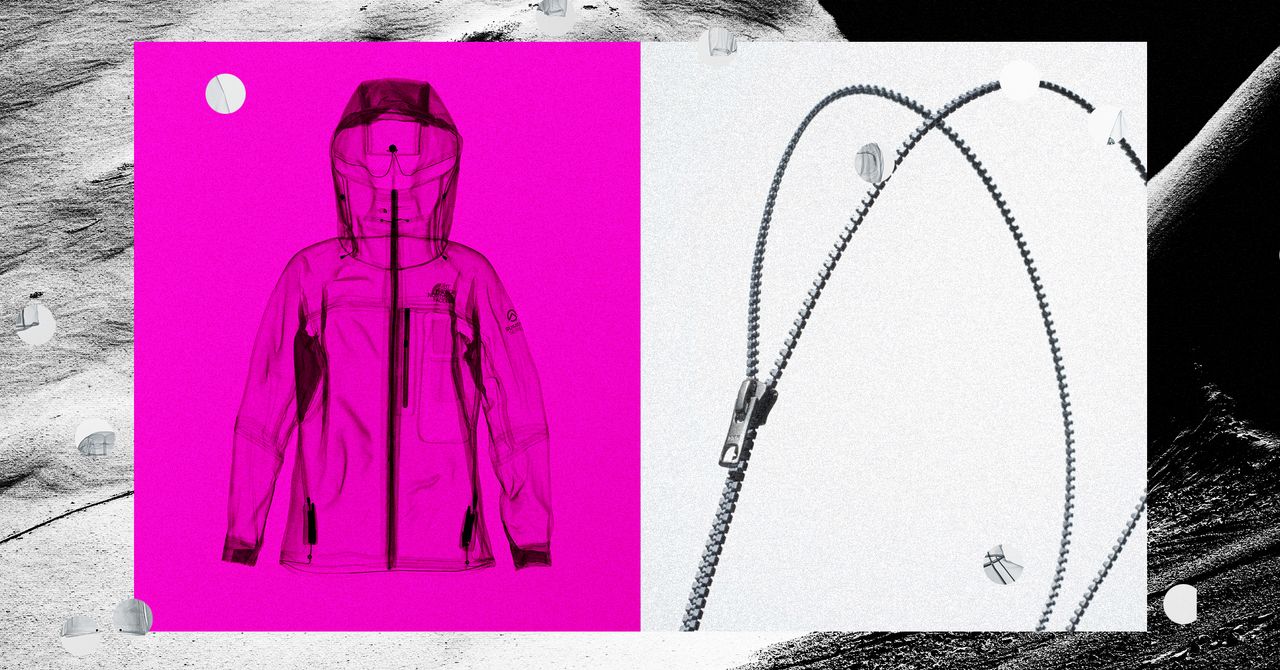
Early adopters are already experimenting. Descente Japan, recognized for technical sportswear, was among the many first to prototype AiryString in 2022. The North Face has chosen the system to be used in its new Summit Series Superior Mountain Package. Smaller manufacturers like Earthletica, an eco-conscious swim and efficiency label, have additionally examined it, describing the zipper as “gentle, versatile, and virtually silent.”
The impact is outwardly tactile. Clothes transfer extra naturally, lie flatter towards the physique, and really feel much less mechanical. “We repeatedly conduct sturdiness and power assessments by stitching AiryString and standard zippers into numerous materials,” Nishizaki says. “When it comes to usability, AiryString gives a lot smoother operability.” That interprets to a softer, slicker glide—the satisfying pull that separates a well-made jacket from an affordable one.
Little Elements, Huge Change
On the manufacturing unit flooring, the advantages add up, too. Conventional zippers eat additional cloth and dye and require a number of stitching passes. By eradicating the tape, YKK says it trims each materials and labor. “It contributes to decreasing work in clients’ stitching processes,” Nishizaki says. “It additionally reduces fiber use and water consumption within the dyeing course of, reducing CO₂ emissions.”
The maths provides up quick. YKK gives a 100% recycled-material model of AiryString and claims measurable cuts to greenhouse fuel emissions and water utilization. The impression is magnified by scale: The corporate operates in 71 nations and areas, and its trademark is registered in 177. While you make billions of zippers a 12 months, these small efficiencies ripple globally.
