
Did Tesla’s Robotaxi Launch Backfire? Leave a comment
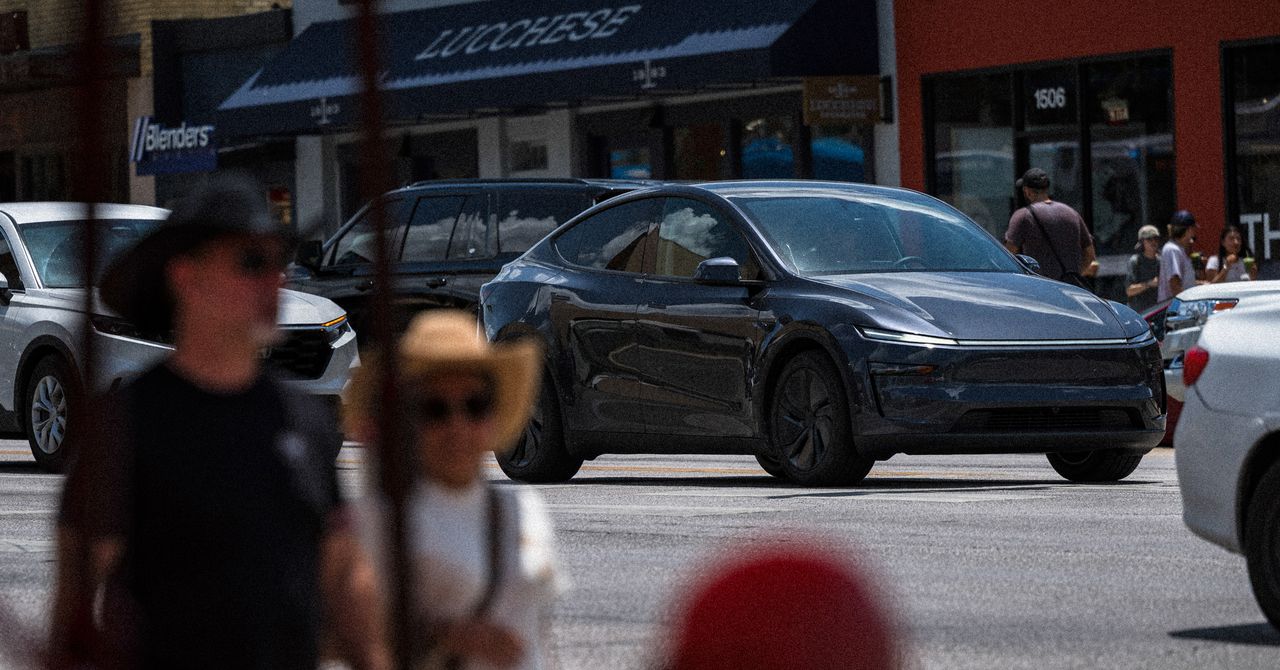
However a long-promised robotaxi service launch in Austin didn’t go fully to script. Musk initially mentioned nobody aside from the shopper can be contained in the self-driving Teslas, however the automaker put in human security operators within the entrance passenger seat of every automobile to intervene when the tech fails. The service isn’t but open to the general public; solely invited customers, initially Tesla influencers standard on Musk’s X platform, have entry to robotaxis. Tech bloopers captured by these riders, together with an incident through which a robotaxi briefly crossed a double-yellow line to drive into the oncoming lane of site visitors, attracted the discover of federal regulators; a spokesperson for the Nationwide Freeway Site visitors Administration advised WIRED final month that the company is wanting into the tech. And the launch itself was small, utilizing only a handful of automobiles in a restricted a part of town. (Tesla expanded the service space in Austin final week; in a brazen, puckish flourish typical of Musk and Tesla, the brand new map resembles a phallus.)
Nonetheless, Musk has mentioned his tech will roll out quickly and that there can be “tens of millions of Teslas working autonomously” within the second half of 2026.
EVIR additionally polled 4,100 customers with funding publicity to Tesla and located that 61 % consider Musk ought to “deal with his companies as a substitute of risking his repute with government-related actions.”
If US customers can’t get onboard with Tesla robotaxis, the fallout might need implications for the complete autonomous car trade. As with every new know-how, a security misstep by one trade participant may have an effect on all of them.
The queasy shopper emotions about robotaxis might hardly come at a worse time: After years of over-promising and underdelivering, many Western tech builders are lastly getting their self-driving tech on the roads. Alphabet’s Waymo is choosing up paying passengers in Phoenix, San Francisco, Los Angeles, Austin, and Atlanta; Amazon’s Zoox says it can launch in Las Vegas this yr; Lyft and the tech developer Could Mobillity say they’ll begin choosing up passengers in Atlanta this yr; Uber and the British firm Wayve say they’re working to start out self-driving service in London in some unspecified time in the future after the second half of 2027.
In a written assertion, Could Mobility COO Kathy Winter referred to as surveys discovering low public belief and curiosity in robotaxis “merely an artifact of low publicity to a brand new know-how.” “The superior comfort and security [autonomous vehicles] present are sport changers for even probably the most skeptical first-time riders,” she wrote.
In a press release, Waymo spokesperson Ethan Teicher wrote, “We work carefully with group organizations, elected officers, regulators, and emergency responders to assist educate the general public in regards to the know-how within the cities we function earlier than we’re open to riders.” He cited Waymo data displaying that Waymo’s know-how will get into 88 % fewer crashes involving critical accidents within the cities the place it operates in comparison with the typical human driver.
Zoox didn’t reply to WIRED’s requests for remark.
China, in the meantime, appears to be racing forward in self-driving taxis. Baidu’s Apollo Go says it has completed 11 million rides—on the time, greater than Waymo’s 10 million—in cities throughout China; rivals WeRide and Pony.ai operate in five and four cities, respectively.
Replace, July 22 at 1:30 pm: Up to date to incorporate a press release from Waymo. This story was additionally up to date earlier to right an error. The proportion of customers who had been much less excited about robotaxi rides after studying the Wall Avenue Journal excerpt is 50 %.
